
Most people trying to find the best agent in the Eastern Suburbs start backwards. They spend hours researching names, reading testimonials and comparing commission structures before they have settled the few decisions that will determine whether any agent can do a good job for them. An agent cannot price your home accurately if you have not decided what you are actually selling – the house as-is, or after you repaint and recarpet. They cannot recommend an auction or private-treaty campaign if you do not yet know when you need to move. They cannot negotiate hard on price if you have not told them whether a clean sale or the highest possible number matters more to you.
Choosing the right agent matters, but it comes fourth or fifth in the sequence, not first. Get the earlier decisions straight and the agent conversation becomes simple. Skip them and even a top-performing agent will struggle to deliver what you need.
Key Takeaways
- Decide whether you sell as-is or improve before listing
- Fix your move date before discussing campaign timing
- Know which result matters most: speed or top dollar
- Understand what you own before quoting a sale price expectation
- Only then compare agents on track record and market position
1. Decide Whether You Will Improve the Property or List It As-Is
An agent cannot accurately price your home if they do not know what condition it will be in when marketing starts. A Bellevue Hill family house that needs a kitchen update and fresh carpet might appraise differently depending on whether the owner completes those jobs or leaves them for the buyer. The same property presented two different ways can attract two different buyer pools and require two different campaign approaches.
Work out upfront whether you are willing to spend money improving the property before sale. If the answer is yes, get quotes for the work and confirm you can afford it and live with the delay. If the answer is no, make that decision firm so the agent can position the home accordingly and target buyers who want a renovation project or development opportunity rather than a move-in-ready residence.
This decision also determines timing. A seller who plans to repaint, landscape and replace fixtures needs to add weeks to the preparation schedule. An agent who builds a campaign timeline without knowing about planned improvements will give you a launch date you cannot meet. Lock in the scope of work before the first agent appraisal, and you will get a realistic marketing plan and a price range that reflects what buyers will actually see.
2. Know Your Move Timeline Before You Discuss Campaign Strategy
Agents design their campaigns around your deadline. A seller who must move within eight weeks for a new job will run a tight, high-pressure auction campaign with a short marketing window and limited room for negotiation. A seller who has twelve months and wants to test the market quietly will consider off-market approaches, longer listing periods and private treaty with flexible settlement terms. The timeline drives the method, and the method determines which agent is the right fit.
If you have a fixed move date – a new home settling, a lease ending, a job starting in another city – tell the agent that date in the first conversation. They will work backwards from it to build a realistic schedule for photography, styling, opens, auction day and settlement. If you have flexibility, say so, because that opens up strategies such as holding off until a stronger seasonal window or running a quieter campaign to avoid flooding a soft market.
Timing also affects price expectations. The Eastern Suburbs market moves in cycles, and a home listed in late spring usually attracts more competition than the same property listed in January. An experienced agent will tell you honestly whether waiting three months could add value or whether the market is softening and an earlier sale makes more sense. That advice only works if you have told them your real constraints upfront.
3. Decide What Matters More: Sale Speed or Maximum Price
Every campaign involves a trade-off between how fast the property sells and how much it sells for. A seller who needs a result within six weeks will accept a slightly lower offer to secure an unconditional contract and avoid the risk of a deal falling through. A seller with time and flexibility can afford to reject early offers, wait for the right buyer and push for a higher price even if it takes an extra two months.
Agents need to know which outcome you prioritise because it shapes every decision they make. An agent chasing top dollar will hold firm on price, recommend improvements that maximise appeal, run a longer campaign to build competition and advise you to reject offers that do not meet the target. An agent focused on speed will price the home slightly below market to generate immediate interest, recommend auction over private treaty to force a decision date, and counsel you to accept a strong offer early rather than risk losing momentum.
| Your priority | Campaign approach | Risk you accept |
|---|---|---|
| Speed | Tight auction timeline, competitive pricing, limited negotiation window | May leave money on the table if a stronger buyer appears later |
| Maximum price | Longer marketing, firm price stance, willingness to pass on early offers | Property may sit longer and market may soften while you wait |
| Balance | Set a realistic reserve, test the market for a defined period, then reassess | Requires flexibility and regular communication with your agent |
Most sellers want both, but the market rarely delivers both at once. Decide upfront which one you would choose if forced to pick, and communicate that clearly when you interview agents. The honest answer to that question will help you recognise which agent’s advice aligns with your actual goals rather than their preferred sales method.
4. Understand What You Own Before You Quote a Price Expectation
Sellers often enter agent conversations with a figure in mind based on what a neighbour’s house sold for or what an online valuation tool estimated. That number becomes an anchor, and if the agent’s appraisal comes in lower, the seller assumes the agent is undervaluing the property to secure a quick sale. In many cases the seller’s anchor was based on incomplete information – a comparable sale that included a garage or rear lane access their property lacks, or a Bellevue Hill median that includes streets with harbour views their home does not have.
Before you meet any agent, research your own property properly. Check the OnTheHouse and Domain databases for recent sales in your immediate area, and filter for properties that genuinely match yours in size, condition, aspect and features. A Woollahra terrace with parking is not comparable to one without it, even if they are on the same street. A Rose Bay apartment with water views will not sell for the same figure as an identical floor plan facing the building next door.
If you do not know the exact boundaries of your land, the zoning, the easements, the strata entitlements or the heritage overlays, find out before any agent appraisal. These details affect what a buyer can do with the property and therefore what they will pay forIt. An agent who discovers a constraint you did not mention – such as a sewer main running under the rear yard that limits excavation for a pool – will have to revise their price opinion downward after you have already anchored on the higher figure, and that creates conflict that could have been avoided.
5. Only Then Compare Agents on Track Record and Local Market Position
Once you have settled the decisions above, you are ready to find the best agent for your specific situation. Now the standard comparison factors – recent sales, commission structure, marketing approach, auction clearance rates – become useful because you can assess them against what you actually need rather than in the abstract.
Interview at least three agents, and ask each one the same questions so you can compare answers directly. Focus on their recent sales in your suburb, not their network-wide statistics or awards. An agent who ranks in the top tier globally but has sold only two properties in Bondi Beach in the past year may not have the same local buyer database as one who has completed fifteen Bondi sales in the same period. Ask how many active buyers they currently have registered for your property type, street and price range.
Check whether the agent’s typical campaign style matches your priority from step three. An agent who prefers long private-treaty campaigns with multiple price reductions is a poor fit for a seller who needs a result in six weeks. An agent who runs high-pressure auctions with tight deadlines will frustrate a seller who wants time to consider every offer carefully. The best agent is not the one with the highest profile or the lowest commission – it is the one whose working method aligns with your goals and whose recent results prove they can execute that method in your local market.
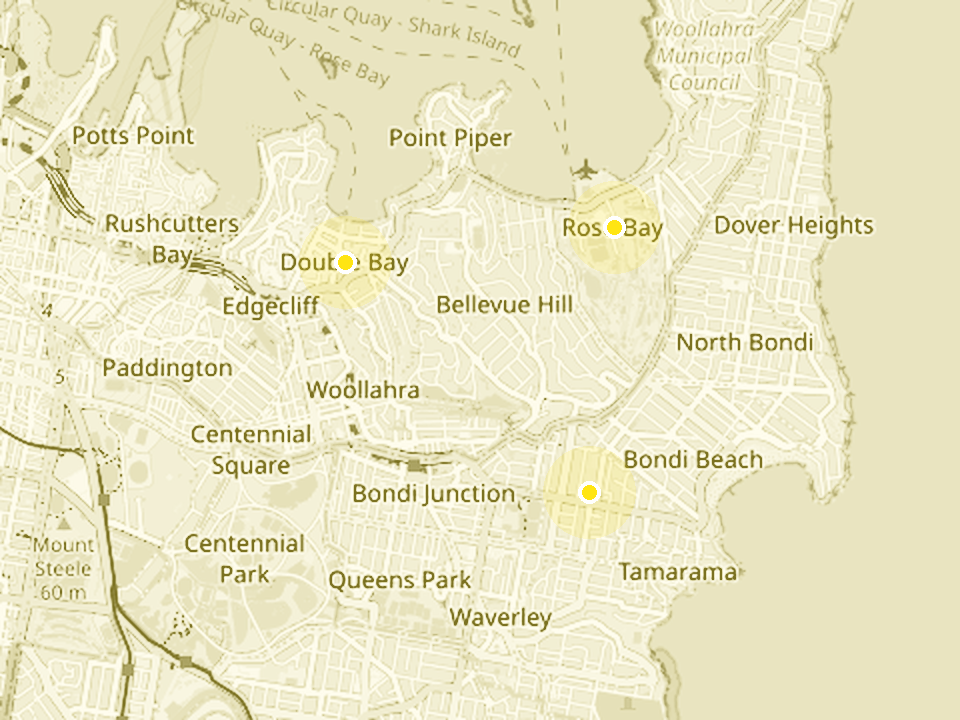
Danny Taylor works with sellers across Double Bay, Rose Bay, Vaucluse, Bellevue Hill, Dover Heights, Bondi and Bondi Beach, and has ranked in the top 1% of agents globally within his network for three consecutive years. If you have worked through the decisions above and want an honest appraisal and a campaign plan tailored to your situation, get in touch to discuss your property and timeline.
Frequently Asked Questions
How do I choose a reliable real estate agent in East Sydney?
Focus on recent sales in your immediate suburb rather than awards or network rankings. Ask for a list of properties the agent has sold in the past twelve months within a few streets of yours, and check the sale prices against your own research. An agent with a strong local track record and an active buyer database for your property type will deliver better results than a high-profile agent working outside their core area.
What is the best way to find a good real estate agent to sell my home?
Start by attending open homes in your area and observing which agents are running them. The agents who consistently attract crowds, answer questions confidently and close sales quickly are the ones worth interviewing. Then verify their performance by checking recent sales data and speaking to past clients. A good agent will provide references without hesitation and will walk you through their campaign strategy in detail before you sign anything.
How do I choose a real estate agent in Sydney?
Interview at least three agents and compare their local market knowledge, recent sales, marketing approach and fee structure. Ask each one how they would position your property, what campaign method they recommend and why, and how many active buyers they have in your price range. The agent who gives the most specific answers and whose strategy aligns with your timeline and priorities is usually the right choice.
Who are the top agents in Australia?
The top agents by sales volume or network ranking are not always the best fit for your property. National and network-wide performance measures include markets and property types very different from yours. A better question is who has the strongest track record in your specific suburb and price bracket, because local market position and buyer relationships matter more than national rankings when it comes to achieving a strong sale result in the Eastern Suburbs.
Who is the best buyer’s agent in Australia?
The best buyer’s agent is one who specialises in the area and property type you are targeting and who has access to off-market listings and pre-auction opportunities in that market. Ask for recent examples of properties they have secured for clients, what they paid compared to the asking price or eventual sale price, and whether they charge a flat fee or a percentage. A buyers’ agent with deep local connections in the Eastern Suburbs will often know about properties before they are publicly listed, giving you a significant advantage in a competitive market.
What This Means for Find The Best Agent
The agent you choose will only be as effective as the decisions you make before you hire them. Settle the scope of work, lock in your timeline, clarify your priorities and understand your property’s real features and constraints before you start comparing agents. When those foundations are in place, the right agent becomes obvious – and the campaign they run will deliver the result you actually need rather than the one you hoped for without a plan.

